

Taste is non-negotiable, but environmental impact is. We propose seasonal, zero-km menus, favouring organic products and short supply chains. We ban single-use plastic: all mise en place uses compostable materials (like PLA tableware, palm leaves, bamboo) or reusable rental items. We implement a rigorous food surplus recovery plan in collaboration with local food banks.
Sustainable Venue Sourcing & Management
Communication, Digital First & Engagement
Made by: Julian Sielicki and Marek Horak

The A-to-Z Checklist for a Perfect Sustainable Event
Creating a sustainable event requires thoughtful planning and attention to detail at every stage. From the initial concept to the post-event evaluation, organizers can implement practices that reduce environmental impact, support communities, and deliver meaningful experiences. An A-to-Z approach ensures that sustainability is fully integrated into every aspect of your event.
A – Assess the Impact Begin by analyzing the environmental, social, and economic impacts of your event. Understanding potential challenges and opportunities will guide all sustainability decisions.
B – Budget for Sustainability Allocate funds specifically for sustainable choices, such as eco-friendly materials, renewable energy, or carbon offset programs. Proper budgeting ensures sustainability doesn’t get sidelined.
C – Choose Green Venues Select venues with strong environmental practices, such as energy-efficient lighting, water-saving fixtures, and waste management programs.
D – Digital Tools Leverage digital solutions for ticketing, registration, and event communication to reduce paper use and improve efficiency.
E – Engage Stakeholders Involve suppliers, partners, and attendees in sustainability initiatives. Clear communication fosters collaboration and shared responsibility.
F – Food and Catering Prioritize local, seasonal, and plant-based options. Use compostable or reusable tableware and minimize food waste through careful planning.
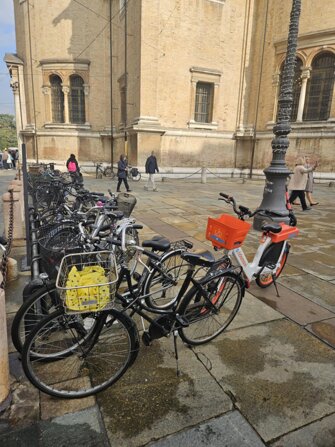
G – Green Transportation Encourage public transport, shared rides, or cycling. Consider carbon offset programs for unavoidable travel.
H – Hospitality Provide accommodations with sustainability certifications. Ensure that hotels and service providers follow eco-friendly practices.
I – Inclusivity Make your event accessible to all, considering mobility, dietary, and cultural needs to ensure everyone can participate comfortably.
J – Join Local Initiatives Collaborate with local organizations or institutions to strengthen community engagement and reinforce the regional impact.
K – Keep Track Measure sustainability performance using clear metrics. Track waste reduction, energy usage, and attendee participation in green initiatives.
L – Logistics Optimize materials transport and supply chains to reduce emissions. Efficient planning lowers both environmental impact and costs.
M – Materials Choose recycled, recyclable, or compostable materials for signage, merchandise, and packaging. Avoid single-use plastics.
N – Networking with Purpose Facilitate meaningful interactions that promote sustainability awareness among participants.
O – Offset Carbon Emissions Calculate the event’s carbon footprint and implement offset measures, such as tree planting or renewable energy investments.
P – Promote Awareness Educate attendees about your sustainability efforts through signage, workshops, or digital communications.
Q – Quality over Quantity Focus on providing high-quality experiences rather than excessive resources or giveaways, reducing waste and environmental strain.
R – Reduce Energy Use Implement energy-efficient lighting, heating, and cooling systems. Consider renewable energy sources whenever possible.
S – Supplier Sustainability Work with vendors who share your commitment to environmental and social responsibility.
T – Transportation of Goods Plan deliveries efficiently to minimize trips and choose low-emission transport options.
U – Understand Regulations Be aware of local environmental laws and waste management requirements to ensure compliance.
V – Volunteer Engagement Recruit and train volunteers to assist with sustainability efforts, from waste sorting to attendee guidance.
W – Waste Management Provide clearly labeled recycling and compost bins. Implement strategies to reduce food and material waste.
X – eXperience Design Incorporate sustainability into the event experience itself, such as eco-themed activities, workshops, or demonstrations.
Y – Year-Round Thinking Consider how your event’s impact extends beyond its duration, from lasting community benefits to ongoing sustainability initiatives.
Z – Zero-Waste Mindset
Aim to minimize all unnecessary materials and ensure that what is used can be reused, recycled, or composted.
Conclusion
A truly sustainable event requires attention to detail, commitment from all stakeholders, and a mindset that prioritizes environmental, social, and economic responsibility. By following this A-to-Z checklist, event planners can design gatherings that are memorable, impactful, and leave a positive legacy for both attendees and the wider community.